Appetizers

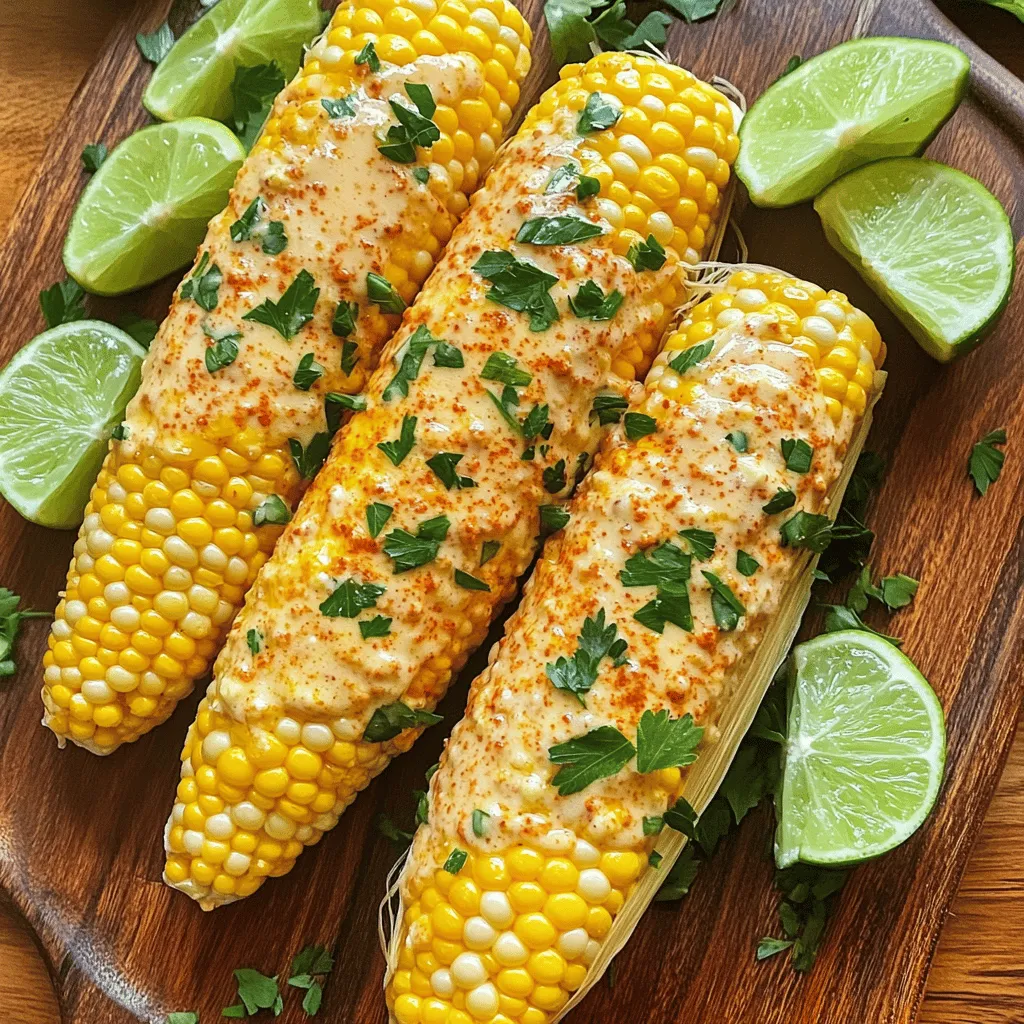
Here is what you need for smoked paprika garlic butter corn: - 4 ears of fresh corn - 4 tablespoons unsalted butter - 3 cloves garlic, finely minced - 1 teaspoon smoked paprika - 1 teaspoon sea salt - 1/2 teaspoon freshly ground black pepper - 1 tablespoon fresh parsley, finely chopped (for garnish) - Lime wedges (for serving) Each ingredient plays an important role in the flavor. The corn gives a sweet crunch. The butter adds richness. Garlic brings a nice depth. Smoked paprika gives a warm, smoky taste. Sea salt enhances all the flavors. Black pepper adds a hint of spice. Fresh parsley provides a bright finish. Lime wedges are perfect for a zesty kick. For the full recipe, check the details above. Enjoy making this delightful side dish! - Bring water to a boil. - Cook corn for 5-7 minutes. Start by filling a large pot with water. Turn the heat up high and wait until it boils. When the water is bubbling, add your corn. Make sure the corn is husked and cleaned well. Let it cook for 5-7 minutes. You want it to be tender but not mushy. Once done, use tongs to take the corn out. Place it on a plate or a cutting board to cool a bit. - Melt unsalted butter. - Sauté minced garlic. Next, grab a small saucepan and set it on medium heat. Add the unsalted butter to the pan. Let it melt slowly. Once it is fully melted, add the finely minced garlic. Stir it often for about 1-2 minutes. You want the garlic to smell great but not brown. Brown garlic can taste bitter, and we don’t want that. - Mix in smoked paprika, sea salt, and pepper. - Allow to sit for a minute. After the garlic is fragrant, it’s time to add flavor. Stir in the smoked paprika, sea salt, and black pepper. Make sure everything mixes well. Remove the pan from the heat and let it sit for a minute. This helps the flavors blend. - Brush garlic butter over corn. - Arrange and garnish for serving. Now, it’s time for the best part! Use a pastry brush or a spoon to coat the corn with the garlic butter. Be generous so every bite is full of flavor. Once coated, place the corn on a nice platter. If you have leftover garlic butter, drizzle it over the corn for extra taste. Finally, sprinkle chopped parsley on top for color. Serve it hot with lime wedges on the side. This adds a refreshing zing to each bite. For the full recipe, check it out above! To coat corn with butter evenly, use a pastry brush. Dip the brush into the garlic butter and sweep it over the corn. Make sure to cover all sides. This method ensures every bite bursts with flavor. You can also use a spoon, but the brush gives a nice, even layer. When sautéing garlic, keep the heat low. If the heat is too high, garlic can burn quickly. Burnt garlic tastes bitter, which ruins your dish. Stir the garlic constantly for 1-2 minutes until it smells great. You want it soft and fragrant, not brown. Serve the corn with lime wedges for a zesty kick. Squeeze fresh lime juice over the corn right before eating. This adds brightness and balances the rich flavors. For pairing, this corn goes well with grilled chicken or fish. The flavors complement each other perfectly. Try serving it alongside a fresh salad for a complete meal. It also works well with tacos or barbecued meats, making it a versatile side. For the full recipe, check out the details to make this dish shine! {{image_4}} You can change things up with different spices. Try chili powder for a kick. If you want a smoky taste, use chipotle powder instead. You can also mix in herbs like thyme or oregano for added depth. For low-calorie options, swap butter for olive oil. You can also use a light butter spread to cut calories. This keeps the flavor while making it a bit healthier. If you need a vegan option, use plant-based butter. Many brands offer great taste that works well in this recipe. Coconut oil is another good choice. It adds a hint of sweetness. Make sure your corn is gluten-free, as it naturally is. Just check the butter or any spreads you use. Some may contain gluten, so always read labels. To store leftover corn, let it cool first. Place it in an airtight container. This keeps it fresh for up to three days. When you’re ready to eat, reheat it on the stove or in the microwave. For stovetop reheating, add a splash of water to keep it moist. Heat it over low until warm. In the microwave, cover it with a damp paper towel. Heat for 30 seconds at a time, stirring in between. Can you freeze smoked paprika garlic butter corn? Yes, you can! To freeze it, let the corn cool completely. Wrap it tightly in plastic wrap or foil. Then, place it in a freezer bag. Make sure to remove as much air as possible. This helps prevent freezer burn. To thaw, simply move it to the fridge for a few hours or overnight. For a quicker option, you can microwave it on low power. Once thawed, you can reheat it just like the refrigerated corn. Enjoy your tasty leftovers anytime! For full details, check out the Full Recipe. If you do not have smoked paprika, try these options: - Regular paprika adds color but less smoke. - Cumin gives a warm, earthy flavor. - Chipotle powder adds heat and a smoky taste. - Ancho chili powder offers a mild, sweet heat. Each replacement brings unique flavors, but they keep your dish tasty. Yes, you can prepare this dish ahead of time. Here are my best tips: - Cook the corn and cool it completely. - Store the corn in an airtight container in the fridge. - You can make the garlic butter in advance too. - Warm the corn and butter together before serving. This way, you save time when it's meal time. To add some heat, try these simple ideas: - Mix in cayenne pepper with the garlic butter. - Add chopped fresh jalapeños for a fresh kick. - Use spicy smoked paprika for a stronger flavor. - Drizzle hot sauce over the corn before serving. These options will jazz up the dish and make it exciting! This blog post shared a simple and tasty garlic butter corn recipe. You learned about the ingredients, preparation steps, and ways to enhance flavors. Tips on serving and variations provided added value for every taste. Storing ideas ensured you can enjoy leftovers, while FAQs answered common questions. In conclusion, this dish is easy to make and customize. Try it with lime for a zesty kick. Explore variations and enjoy garlic butter corn any time!
Smoked Paprika Garlic Butter Corn Flavorful Side Dish
Looking for a side dish that packs a flavorful punch? You’ll love this Smoked Paprika Garlic Butter Corn! This easy recipe combines sweet corn, rich
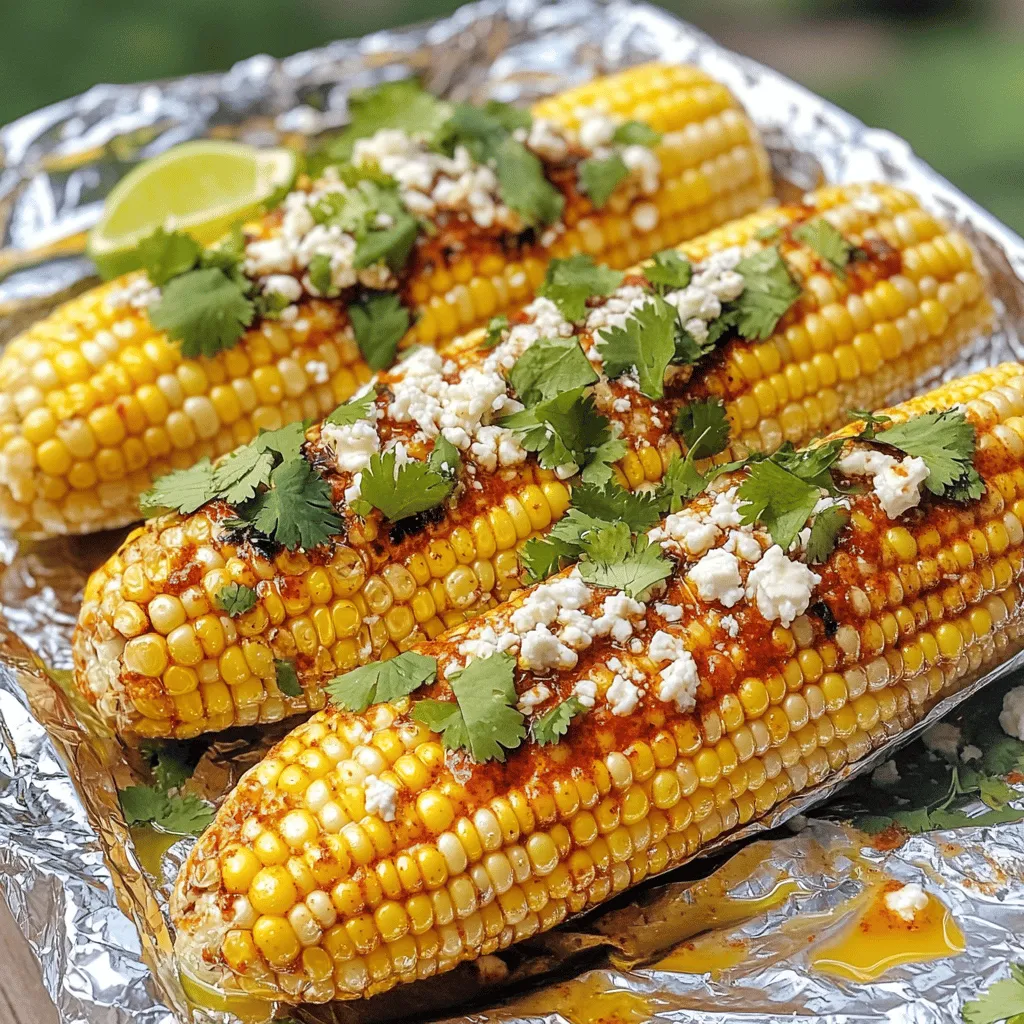
- 4 ears of fresh corn, husked - 1/4 cup unsalted butter, softened - 1 tablespoon chili powder - 1 teaspoon smoked paprika - Zest and juice of 1 lime - 1/4 cup grated cotija cheese - 1/4 cup fresh cilantro, finely chopped - Salt and pepper to taste - Aluminum foil For grilled corn in foil, fresh ingredients are key. Start with four ears of corn. Look for ears that are bright and firm. The husks should be green and tightly wrapped. Next, use unsalted butter. It allows you to control the salt. Mix in chili powder and smoked paprika for a warm kick. The lime zest and juice add a bright, fresh flavor. Don’t forget the cotija cheese! Its salty and crumbly texture pairs well with the sweet corn. Lastly, fresh cilantro gives a burst of color and taste. Salt and pepper round out the flavor. You can adjust these to fit your taste. Using aluminum foil helps steam the corn, keeping it tender and juicy. For the full recipe, refer to the instructions provided. These ingredients combine to create a delicious dish that you will love to share! Preheat your grill to medium-high heat, around 400°F (200°C). This heat gives the corn a nice char. Make sure the grill grates are clean. Oil them lightly to stop sticking. In a small bowl, mix softened butter with chili powder, smoked paprika, lime zest, salt, and pepper. Stir until smooth. This flavorful butter will coat your corn and make it tasty. Tear off four sheets of aluminum foil. Place an ear of corn in the center of each sheet. Spread the butter mixture all over the corn. Cover it well to infuse the flavor. Wrap the foil tightly to keep the steam inside. Put the wrapped corn on the grill. Cook for 15-20 minutes. Turn them every few minutes for even cooking. The corn will be ready when the kernels are tender and juicy. Carefully unwrap each ear of corn. Watch out for steam! Sprinkle cotija cheese and cilantro on top. Squeeze lime juice over the corn for a fresh, zesty flavor. Enjoy your grilled corn fiesta! For the full recipe, check back above. To get tender kernels, you need to watch the clock. Grill the corn for 15 to 20 minutes. Turn it every few minutes to cook evenly. The steam inside the foil helps keep the corn juicy. You’ll know it’s done when the kernels look plump and bright. This timing works best for fresh corn, so use it if you can. You can add your twist to grilled corn. Try different seasonings for diverse tastes. Garlic powder adds a nice kick. Fresh herbs like thyme or basil can brighten the flavor. If you love spice, add cayenne or crushed red pepper. The options are endless! Charcoal and gas grills have unique ways of cooking. Charcoal provides a smoky flavor, perfect for grilling. It takes longer to heat, but it's worth it. Gas grills heat up quickly and offer more control over the temperature. They cook evenly, which helps avoid burnt spots. Choose the one that suits your style! {{image_4}} To make your corn spicy, add jalapeños or cayenne pepper to the butter mix. Start with one finely chopped jalapeño for a mild kick. If you like heat, add more. The spice will blend well with the rich butter. This twist makes the corn exciting and full of flavor. For vegetarian and vegan cooks, you can easily switch the butter. Use plant-based margarine or olive oil instead. Both options give a nice flavor without dairy. You can still enjoy the same great taste while keeping it plant-based. Feel free to explore global flavors. Try adding different cheeses like feta or cheddar. Spices from around the world can also enhance your corn. Think about using Italian herbs, or a sprinkle of cumin for a Mexican flair. Each choice adds a new layer of taste to your grilled corn. Store leftover grilled corn in the fridge. Use an airtight container. It stays fresh for up to 3 days. To keep the flavor, seal it well. This helps lock in moisture, so the corn does not dry out. When you’re ready to eat the leftovers, you can reheat them in a few ways. The stovetop works great. Heat a skillet over medium heat and add the corn. Stir it often for even heating. You can also use the microwave. Just place the corn on a plate and cover it with a damp paper towel. Heat for about 1-2 minutes. This keeps the corn moist. Freezing grilled corn is easy if you want to save it for later. First, let the corn cool completely. Then, wrap each ear tightly in plastic wrap. Place the wrapped corn in a freezer bag. It can stay in the freezer for up to 3 months. To enjoy it later, simply remove it from the bag and thaw in the fridge overnight. You can also grill it straight from the freezer, just cook a bit longer. To check if your corn is done, look for a few signs. The kernels should be plump and tender. You can also poke a kernel with a fork. If it bursts easily, your corn is ready. The husks will also look slightly charred. Aim for about 15-20 minutes on the grill for perfect results. Always keep an eye on your corn as it cooks. Yes, you can grill corn without foil. You can grill it directly on the grates. Just soak the husked corn in water for 30 minutes first. This helps it stay moist. You can also leave the husks on for added flavor. Remove the husks and silk after grilling for a fun charred flavor. There are many tasty toppings for grilled corn! Try adding Parmesan cheese or feta for a salty kick. You can also use fresh herbs like basil or parsley. For a spicy twist, consider adding hot sauce or diced jalapeños. Mix in some diced tomatoes or avocado for a fresh touch. The options are endless! Check out the Full Recipe for more ideas. Grilled corn in foil is simple and fun to make. You need fresh corn, butter, spices, and herbs. I shared steps to prepare and grill your corn perfectly. Feel free to tweak the flavors with different spices or toppings. Store any leftovers safely, and enjoy them later. Grilled corn adds joy to any meal. Try it out for tasty bites at your next gathering!
Grilled Corn in Foil Flavorful and Simple Recipe
If you crave a tasty summer treat, make grilled corn in foil! This simple recipe transforms fresh corn into a flavorful dish with just a
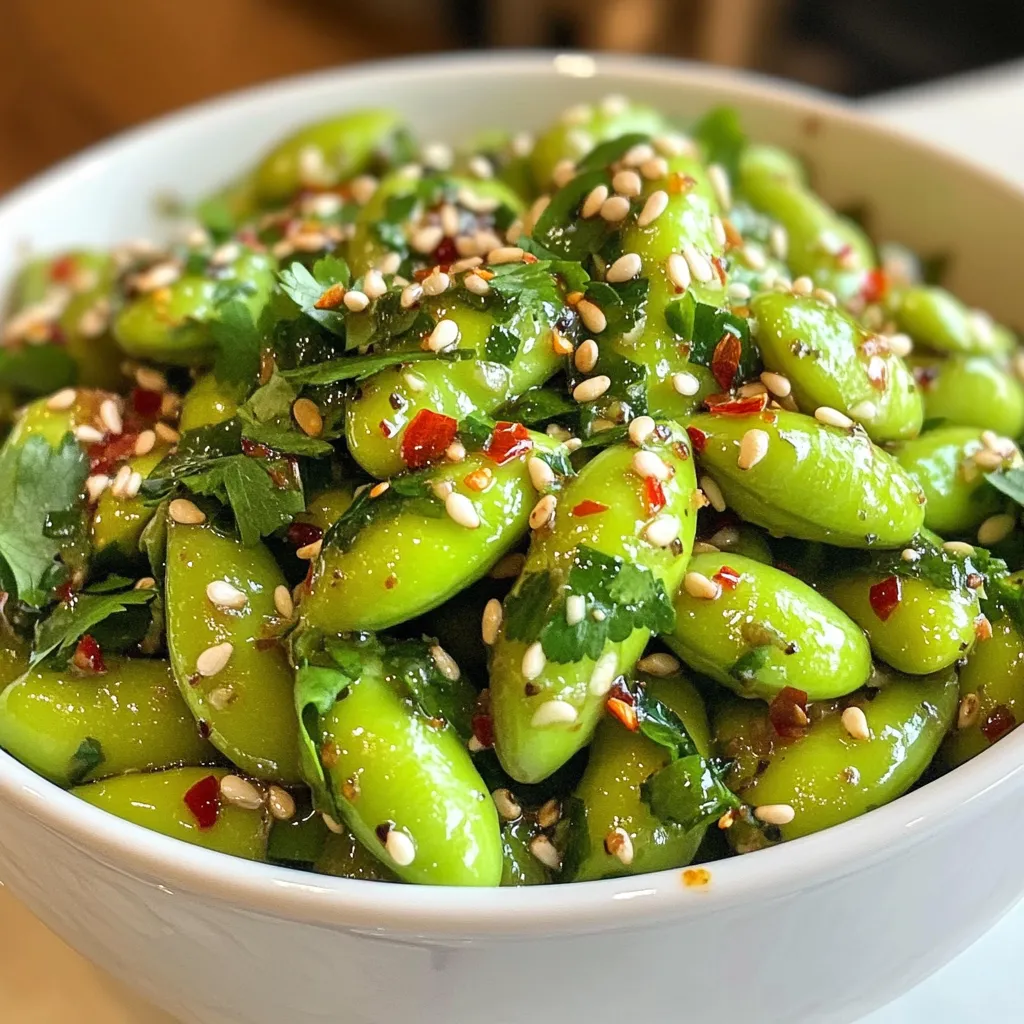
- 2 cups edamame (fresh or frozen) - 3 tablespoons olive oil - 4 cloves garlic, minced - 1-2 teaspoons red pepper flakes (adjust for spice preference) - 1 tablespoon soy sauce - 1 teaspoon sesame oil - 1 tablespoon freshly squeezed lemon juice - Salt to taste - 1 tablespoon toasted sesame seeds (for garnish) - Fresh cilantro, chopped (for garnish) To create the best spicy garlic edamame, you need simple yet bold ingredients. Edamame is the star of this dish. You can use fresh or frozen edamame. Both options work well. Olive oil adds richness and helps cook the garlic. Minced garlic gives a deep flavor. Red pepper flakes bring the spice. You can adjust the amount to suit your taste. Next, we have some seasonings and garnishes. Soy sauce adds a savory kick. Sesame oil gives a nutty taste. Fresh lemon juice adds brightness. Salt is key for balancing flavors. Toasted sesame seeds enhance the dish's look and flavor. Fresh cilantro adds a pop of color and freshness. Each ingredient plays a role in making this snack truly special. {{ingredient_image_1}} To cook the edamame, you have two options. If you use frozen edamame, start by boiling a pot of salted water. Add the edamame and cook for about 3-5 minutes. You want them tender but not mushy. Drain them and set aside. If you choose fresh edamame, simply steam them. You will know they are done when they turn a vibrant green and feel tender. This method keeps their flavor fresh. Next, it’s time for the spice mixture. In a large skillet, heat 3 tablespoons of olive oil over medium heat. Once the oil is warm, add 4 minced garlic cloves. Sauté for 1-2 minutes. Stir them often to avoid burning. You want that garlic to be fragrant but not brown. Now, add red pepper flakes to the skillet. I recommend starting with 1 teaspoon and going up to 2 teaspoons based on your spice preference. Cook for another minute to let the flavors blend. Then, toss in the cooked edamame. Mix well to coat them with the garlic oil. Drizzle in 1 tablespoon of soy sauce and 1 teaspoon of sesame oil. Stir everything together and sauté for 2-3 minutes until heated through. Remove the skillet from heat and stir in 1 tablespoon of freshly squeezed lemon juice. Taste the dish and add salt if needed. Finally, transfer the spicy garlic edamame to a serving bowl. Top it with 1 tablespoon of toasted sesame seeds and chopped cilantro. This adds flair and extra flavor to your dish. Enjoy your snack! You can change the spice in this dish easily. For a milder taste, use less red pepper flakes. Start with just 1 teaspoon and taste as you cook. If you want more heat, add another teaspoon. You can also swap red pepper flakes for chili powder for a different flavor. Cooking edamame takes just a few minutes. If using frozen, boil salted water and cook for 3-5 minutes. For fresh edamame, steam them until bright green. Keep an eye on them to avoid overcooking. Perfect edamame should be tender yet firm. Want to kick up the taste? Consider adding a splash of rice vinegar for brightness. You could also mix in some ginger for warmth. Another great idea is to toss in some chopped scallions or a dash of lime juice for a fun twist. Pro Tips Use Fresh Ingredients: For the best flavor, opt for fresh edamame and garlic whenever possible. Fresh ingredients enhance the overall taste of the dish. Adjust the Spice Level: Feel free to modify the amount of red pepper flakes according to your spice preference. Start with less and add more if desired. Experiment with Toppings: Try adding other toppings like crushed peanuts or green onions for a unique twist and added texture to your dish. Serve Immediately: Enjoy the edamame while they are warm for the best texture and flavor. They can become less appealing if left to cool for too long. {{image_2}} You can switch up the flavors by using different oils. For instance, sesame oil adds a nutty taste. Try avocado oil for a light flavor. You can also experiment with spices. Add cayenne for more heat or garlic powder for a deep garlic taste. You have choices when cooking edamame. Air frying gives it a crispy texture. Set your air fryer to 375°F and cook for about 10 minutes. Toss halfway for even cooking. Sautéing is quick and easy. In a skillet, heat oil and cook the edamame until warm and tender. Both methods are tasty! Spicy garlic edamame pairs well with many dishes. Serve it as a side with rice or noodles. It also goes great with a cold beer or a refreshing iced tea. For a fun twist, try it with sushi or as a topping on salads. Enjoy mixing and matching! To keep your spicy garlic edamame fresh, store it in an airtight container. Place it in the fridge. This way, it stays tasty for about 3 days. Make sure it cools down first before sealing. Avoid leaving it out for too long to prevent spoilage. When reheating, you want to keep the flavor and texture just right. The best way is to use a skillet. Heat it on medium-low and add the edamame. Stir it gently for about 3-5 minutes until hot. You can also use the microwave if you're in a hurry. Place the edamame in a bowl, cover it, and heat for 1-2 minutes. Stir halfway through to warm evenly. Freezing edamame is a great option for long-term storage. To freeze, first, let it cool completely. Then, place it in a freezer-safe bag or container. Remove as much air as possible before sealing. When you're ready to eat, thaw in the fridge overnight or boil it straight from frozen. Just remember to adjust the cooking time since it’s frozen. Edamame is young soybeans. They are often found in their pods. These green gems are not just tasty but also packed with nutrients. They are high in protein, fiber, and vitamins. One cup of edamame has about 17 grams of protein. They also contain essential amino acids that help build muscles. Eating edamame can support heart health and aid in weight management. Plus, they are low in calories, making them a great snack option. Yes, frozen edamame works well in this recipe. It is convenient and saves time. To cook frozen edamame, boil salted water in a pot. Add the edamame and cook for about 3 to 5 minutes. They are ready when they are tender. Drain them and set aside for later use. Spicy garlic edamame lasts about 3 to 5 days in the fridge. Store it in an airtight container. Make sure it cools down before sealing. Always check for any signs of spoilage before eating. If you see any changes in smell or color, it’s best to throw it away. This blog post showed you how to make spicy garlic edamame from start to finish. We covered the main ingredients you need, cooking steps, and tips for great taste. You learned how to adjust spice levels and explored variations and storage information. If you try this dish, it will add flavor to any meal. Remember, cooking is about experimenting and having fun. Enjoy your tasty, healthy snack!
Spicy Garlic Edamame Fast and Flavorful Snack Recipe
Looking for a quick and tasty snack? You’re in the right place! This Spicy Garlic Edamame recipe brings bold flavors to your table in no
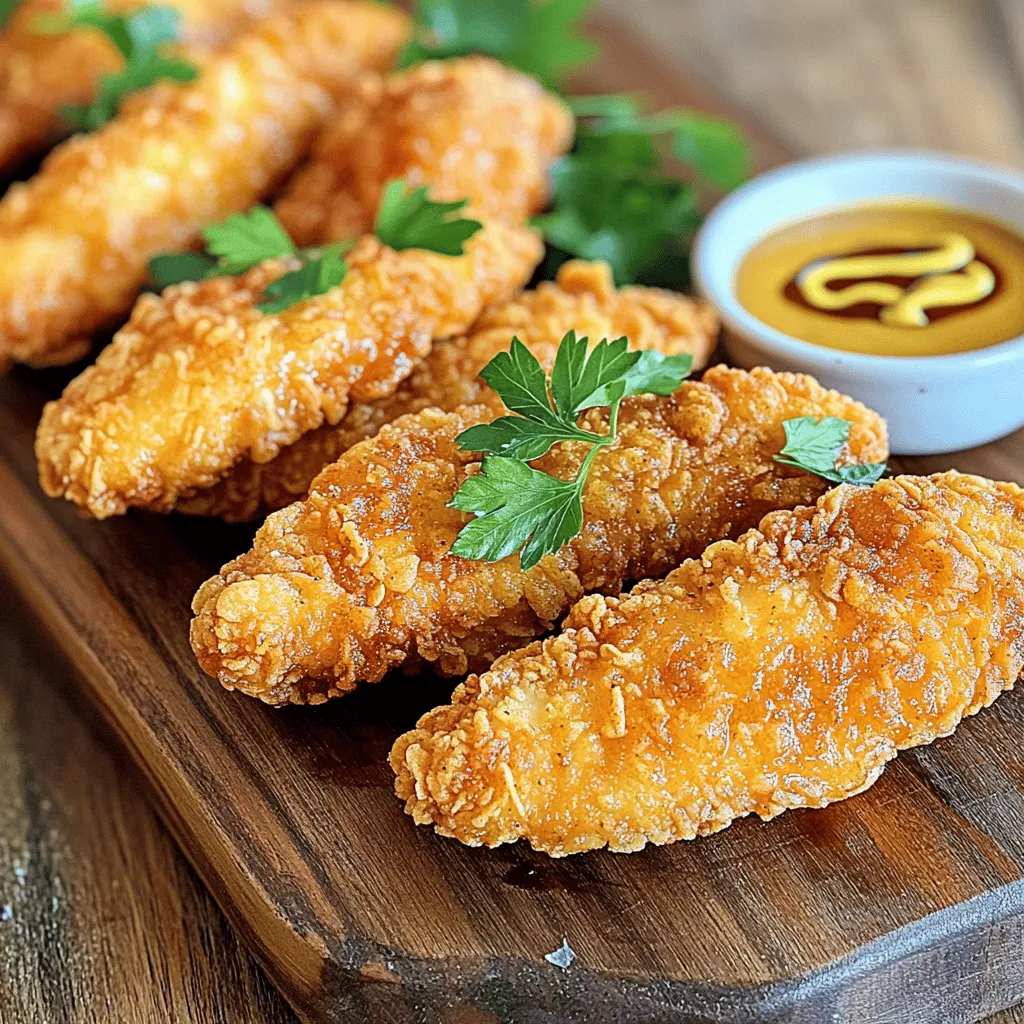
To make the best crispy chicken tenders, gather these key items: - 1 lb boneless, skinless chicken breasts, cut into strips - 1 cup buttermilk - 1 cup all-purpose flour - 1 cup panko breadcrumbs - 1 tsp garlic powder - 1 tsp onion powder - 1 tsp paprika - 1/2 tsp cayenne pepper - Salt and pepper to taste - Vegetable oil, for frying These ingredients work together to give you juicy chicken with a crispy crust. You can add your twist to the chicken tenders with these extras: - Parmesan cheese for a cheesy flavor - Fresh herbs like parsley or thyme - Other spices, such as cumin or chili powder - Different dipping sauces for a fun experience Feel free to mix in what you love. It makes your dish unique. Using fresh and high-quality ingredients makes a big difference. Fresh chicken tastes better and cooks evenly. Good buttermilk helps tenderize the meat. Quality spices enhance the flavor. Always choose the best ingredients you can find. This step will take your dish from good to amazing. If you want the full recipe, check out the Crispy Homemade Chicken Tenders . Start with the chicken strips. Place them in a large bowl. Pour in the buttermilk and mix well. Make sure each piece is coated. This step makes the chicken tender and adds great flavor. Cover the bowl and place it in the fridge for at least 30 minutes. If you have more time, let it marinate longer for even better taste. While the chicken marinates, set up your breading stations. In one bowl, mix flour, garlic powder, onion powder, paprika, cayenne pepper, salt, and pepper. Stir it well. This is your first coating. In another bowl, add panko breadcrumbs. This will give the chicken its crispy finish. Keep the bowls ready for the next step. After marinating, take out the chicken strips. Let excess buttermilk drip off. First, dredge each strip in the flour mix. Shake off the extra flour. Next, dip it in the panko breadcrumbs. Press gently to make sure it sticks well. Heat vegetable oil in a large skillet over medium-high heat. You can check if the oil is hot by dropping in a crumb; it should sizzle. Add the chicken tenders in batches, avoiding crowding the pan. Fry for 3-4 minutes on each side until golden brown and crispy. Use tongs to flip them gently. Once done, place the chicken on a plate lined with paper towels. This will soak up extra oil, keeping them crispy. To serve your crispy chicken tenders, arrange them on a large platter. Add small bowls of your favorite dips like honey mustard or ranch. For a touch of color, sprinkle fresh parsley over the tenders. You can also place sprigs of parsley on the side. Enjoy your delicious creation! For the complete recipe, check out the Full Recipe section. To get that golden, crispy texture, start with marination. Buttermilk is key here. It tenderizes the chicken and adds great flavor. After marinating, coat the chicken in seasoned flour first. Then, use panko breadcrumbs for the final layer. Panko gives a light and crunchy bite. Make sure to press the breadcrumbs onto the chicken. This helps them stick well during cooking. A few common mistakes can ruin your chicken tenders. First, don't skip marination. It makes a big difference in taste and texture. Second, avoid overcrowding the pan. Frying too many at once lowers the oil's temperature. This can lead to soggy tenders. Finally, do not rush the frying process. Let each side cook fully for the best crisp. Frying is an art, and a few tips can help. Use a heavy skillet to hold heat better. Heat the oil to the right temperature, about 350°F. Test with a small breadcrumb; it should sizzle when ready. Fry in batches to keep the oil hot. Cook each side for about 3-4 minutes. After frying, place the tenders on paper towels. This helps absorb extra oil and keeps them crispy. For more tips, check out the Full Recipe. {{image_4}} You can easily mix up the flavors of your chicken tenders. For a spicy twist, add more cayenne pepper to the breading mix. Try using chili powder or hot sauce in the buttermilk to give your chicken a kick. If herbs are more your style, mix dried oregano, basil, or thyme into the flour. Fresh herbs can also add great flavor. If you prefer a healthier choice, baking is a great way to go. Preheat your oven to 425°F. After breading the chicken, place each piece on a baking sheet lined with parchment paper. Spray the tenders lightly with cooking spray to help them crisp up. Bake for about 20-25 minutes, flipping halfway through. This method keeps them crispy while cutting down on oil. You can get creative with the breading. Instead of panko, try crushed cornflakes or almond flour for a unique crunch. For gluten-free options, use gluten-free breadcrumbs or almond meal. These alternatives can add different textures and flavors. Don't hesitate to experiment and find your favorite combination. For the full recipe, check out the detailed steps above. After enjoying your crispy chicken tenders, store any leftovers in an airtight container. This keeps them fresh and tasty. Place the container in the fridge. They will last for about 3 to 4 days. If you want to keep them longer, consider freezing them. To reheat your chicken tenders, use an oven for the best results. Preheat your oven to 400°F (200°C). Place the tenders on a baking sheet lined with parchment paper. Bake for about 10 to 15 minutes, or until they are hot and crispy again. Avoid using a microwave, as it can make them soggy. You can freeze chicken tenders for later. First, let them cool completely. Then, place them in a single layer on a baking sheet. Freeze them for about an hour. Once frozen, transfer them to a freezer bag. This helps prevent sticking. They can stay in the freezer for up to 3 months. When you're ready to eat them, just reheat using the oven method mentioned above. To make chicken tenders extra crispy, use panko breadcrumbs. They are lighter and crispier than regular breadcrumbs. Before breading, let the chicken marinate in buttermilk. This step adds moisture and flavor. For an even crunch, double-coat the chicken. First, dip in flour, then in buttermilk, and finally back in the flour before the panko. Fry in hot oil to get that golden color and crispy texture. Yes, you can use chicken thighs! They are juicier and have more flavor. Cut the thighs into strips just like the breasts. Make sure to adjust the cooking time slightly since thighs may take longer to cook through. Some great dipping sauces include honey mustard, ranch, and barbecue sauce. If you like spice, try a sriracha mayo or buffalo sauce. You can also make a simple garlic aioli by mixing mayo with minced garlic and lemon juice. Homemade chicken tenders last up to 3 days in the fridge. Store them in an airtight container to keep them fresh. If you want to keep them longer, freeze them. They can last up to 3 months in the freezer. Just make sure to reheat them properly for that crispy texture. For the full recipe, check the section above. For the best crispy chicken tenders, start with quality ingredients. Here’s what you need: - 1 lb boneless, skinless chicken breasts, cut into strips - 1 cup buttermilk - 1 cup all-purpose flour - 1 cup panko breadcrumbs - 1 tsp garlic powder - 1 tsp onion powder - 1 tsp paprika - 1/2 tsp cayenne pepper (adjust based on your spice preference) - Salt and pepper to taste - Vegetable oil, for frying Using these ingredients makes a big difference. Buttermilk helps tenderize the chicken. Panko creates a super crispy crust. Spices add flavor and warmth. For customization, you can add herbs or change the spice level. Always use fresh ingredients for the best taste. Quality matters in every dish. Check out the full recipe for more details! You’ve learned all about making crispy chicken tenders. We covered important ingredients, step-by-step instructions, and tips for success. Quality matters, so choose fresh ingredients. Customize flavors or try baked options for health. Store leftovers wisely to keep them crispy. Remember, great chicken tenders can impress anyone. With practice, you’ll master this tasty dish! Enjoy every bite!
Crispy Homemade Chicken Tenders Perfectly Delicious Dish
If you’re craving a crunchy, juicy treat, you’ve come to the right place! My Crispy Homemade Chicken Tenders are easy to make and full of
To make oven-roasted corn in foil with garlic butter, gather these simple ingredients: - 4 fresh ears of corn, husked - 1/2 cup unsalted butter, softened to room temperature - 4 cloves garlic, finely minced - 2 tablespoons fresh parsley, finely chopped - 1 teaspoon smoked paprika - 1 teaspoon sea salt - 1/2 teaspoon freshly ground black pepper - Aluminum foil These fresh ingredients bring out the best flavors in your corn. The unsalted butter acts as a base, while garlic adds a rich taste. Fresh parsley offers a burst of color and freshness. Smoked paprika gives a nice depth to the flavor. Sea salt and black pepper enhance all the tastes. Using aluminum foil to wrap the corn ensures it cooks perfectly. The foil traps the steam, making the corn tender and juicy. With these ingredients, you will create a tasty dish that everyone will love. For the full recipe, check the instructions below. First, you need to preheat your oven to 400°F (200°C). This step is key for even cooking. A hot oven makes the corn tender and flavorful. Next, grab a medium bowl. Mix the softened butter, minced garlic, chopped parsley, smoked paprika, salt, and black pepper. Use a fork to combine them well. You want a smooth garlic butter paste. This mixture adds rich flavor to the corn. Now, take a large piece of aluminum foil, about 12 inches long. Lay each ear of corn in the center of the foil. Take a generous scoop of your garlic butter mixture and spread it over the corn. Make sure to cover all sides. This helps the corn soak up that tasty butter. Carefully fold the foil around the corn to create a sealed packet. This keeps the steam inside while it roasts. Place the packets directly on the oven rack or on a baking sheet. Roast the corn for 25 to 30 minutes. When done, the kernels will be tender and smell amazing. After cooking, unwrap the foil carefully to avoid hot steam. You can drizzle any leftover garlic butter over the corn for even more flavor. Enjoy your delicious oven-roasted corn! To make the best garlic butter, start with room-temperature butter. This helps it mix well. Use fresh garlic for a strong flavor. Finely mince the garlic so it spreads evenly. Adding fresh parsley gives a nice color and taste. Smoked paprika adds a warm depth. Mix all these ingredients well until creamy. You want a smooth paste that clings to the corn. For even roasting, wrap each ear of corn tightly in foil. This keeps the steam inside, cooking the corn evenly. Make sure the foil is sealed well to trap heat. Place the packets directly on the oven rack or a baking sheet. This allows hot air to circulate all around. Roast for 25 to 30 minutes for tender kernels. Check after 25 minutes to avoid overcooking. Serve the corn warm right after roasting. Unwrap carefully to avoid steam burns. Drizzle any leftover garlic butter over the corn for extra flavor. For a nice touch, place the corn on a wooden cutting board. A sprinkle of parsley and smoked paprika on top makes it look great. Pair it with grilled meats or fresh salads for a delightful meal. If you want to try more, check out the Full Recipe for variations! {{image_4}} For those who love some heat, add chili flakes to the garlic butter. Start with 1 teaspoon for a mild kick. You can increase it if you want more spice. Mix the flakes into the butter as you combine the other ingredients. This spicy twist adds a lively flavor to the sweet corn. Try mixing different herbs into your garlic butter. You can use thyme, basil, or even dill. Fresh herbs work best, but dried ones are fine too. Just chop them finely and blend them in with the garlic and butter. This herb-infused butter brings a fresh taste to your corn. If you're a cheese lover, this variation is for you! After roasting, sprinkle your favorite cheese over the corn. Feta, parmesan, or even cheddar work well. The cheese will melt into the warm corn, adding a creamy texture. This cheesy version is a sure crowd-pleaser at any gathering. For the full recipe and more details, check out the [Full Recipe]. You might have some corn left after a feast. To store it, let the corn cool first. Wrap it tightly in plastic wrap or foil. Place it in your fridge. It stays fresh for about three to five days. This way, you can enjoy it later! To reheat your corn, keep it simple. You can use the microwave. Just place the corn on a plate and cover it with a damp paper towel. Heat it for 1-2 minutes. Check if it's hot enough. If not, heat it a bit more. You can also reheat it in the oven. Wrap the corn in foil and bake at 350°F (175°C) for about 10 minutes. If you want to save corn for later, freezing is a great option. First, let the corn cool completely. Wrap each ear in plastic wrap, then in foil. Place the wrapped corn in a freezer bag. Remove excess air and seal it. It can last up to six months in the freezer. When you're ready to eat, just thaw it in the fridge overnight and reheat as needed. Yes, you can use frozen corn. Just thaw it first. Frozen corn works well in this recipe. The taste may be slightly different, but it's still tasty. The key is to ensure the corn is well-seasoned with the garlic butter. This way, it will have a great flavor, even if it’s not fresh. Oven-roasted corn in foil pairs well with many dishes. You can serve it with grilled meats like chicken or steak. It also goes great with a fresh salad or baked potatoes. For a simple meal, enjoy it with some crusty bread. The corn adds a sweet, buttery flavor to any plate. To make this recipe vegan, replace the butter with plant-based butter. You can also use olive oil instead of butter for a lighter option. Use the same garlic and spices to keep the flavors bold. This way, you can enjoy the dish without animal products. For the complete instructions, check the Full Recipe. This recipe is simple and rewarding. You’ll love the ease of making this delicious side dish. This blog post explored how to make delicious oven-roasted corn in foil. We covered key ingredients, tips for perfect garlic butter, and variations to spice things up. I shared how to store leftover corn and answered common questions. Roasting corn brings out its natural sweetness and enhances flavors. Remember, adapting this recipe allows you to make it your own. Enjoy your tasty creation and share it with friends!
Oven-Roasted Corn in Foil with Garlic Butter Delight
Are you ready to take your corn game to the next level? In this Oven-Roasted Corn in Foil with Garlic Butter Delight recipe, you’ll learn
- 1 pre-made flaky pie crust - 4 large ripe tomatoes, sliced to about 1/4 inch thick - 1 cup ricotta cheese - 1 cup shredded mozzarella cheese - 2 tablespoons fresh basil, finely chopped (plus extra leaves for garnish) - 1 teaspoon dried oregano - 1 tablespoon extra virgin olive oil (plus more for drizzling) - Salt and freshly ground black pepper, to taste To create The BEST Tomato Tart, you need fresh and simple ingredients. The star of the dish is ripe, juicy tomatoes. Look for ones that feel heavy for their size and have a rich aroma. For the cheese, I recommend a mix of creamy ricotta and stretchy mozzarella. This combo gives the tart a wonderful texture and flavor. Fresh herbs like basil and oregano add depth. Don't forget the salt and pepper to enhance the taste. - Balsamic glaze - Additional vegetables If you want to add more flavor, you can drizzle balsamic glaze on top. It adds a sweet tang that pairs well with tomatoes. You can also mix in other veggies, like zucchini or bell peppers. This makes your tart even more colorful and tasty. - Tart pan - Mixing bowls - Baking sheets To make the tart, you’ll need a few tools. A tart pan helps shape the crust and gives it a nice edge. Use mixing bowls to combine your cheese and herbs. Finally, a baking sheet is handy for catching any drips while the tart bakes. This setup will make your cooking process smooth and fun. For the full recipe, check out The Ultimate Savory Tomato Tart. 1. Roll out the pie crust: Start with a pre-made flaky pie crust. Roll it out evenly on a clean surface. 2. Fit into the tart pan: Carefully place the rolled crust into the tart pan. Make sure it covers the bottom and sides without tears. 3. Prick the crust: Use a fork to prick the bottom of the crust. This helps it cook evenly and prevents bubbles. 1. Combine ricotta and mozzarella: Take a medium bowl and add 1 cup of ricotta cheese and 1 cup of shredded mozzarella cheese. 2. Add fresh herbs and seasonings: Stir in 2 tablespoons of fresh basil, 1 teaspoon of dried oregano, and a pinch of salt and pepper. 3. Mix until uniform: Blend all the ingredients together until they form a smooth cheese mixture. 1. Spread the cheese mixture: Evenly spread the cheese mix onto the crust. Make sure it covers the base entirely. 2. Arrange the tomato slices: Layer 4 large, thin tomato slices over the cheese. Overlap them for a lovely look. 3. Drizzle with olive oil and season: Lightly drizzle extra virgin olive oil on top and sprinkle with more salt and pepper. 1. Preheat the oven: Set your oven to 400°F (200°C) and let it heat up. 2. Bake time and monitoring: Place the tart in the oven. Bake for 30-35 minutes. Watch for a golden crust and tender tomatoes. This step-by-step guide ensures you create a delicious tomato tart. For the full recipe, check out the detailed instructions above. Choose ripe tomatoes for the best flavor. I like using heirloom or vine-ripened tomatoes. These types are sweet and juicy. Look for tomatoes that feel heavy for their size. They should have smooth skin and vibrant color. To check ripeness, gently squeeze the tomato. It should yield a bit but not be mushy. If you can smell the tomato, it’s usually ripe and ready to eat. A soggy crust will ruin your tart. To prevent this, always prick the crust with a fork before baking. This helps steam escape. Consider pre-baking the crust for a few minutes. This sets it and keeps it crisp. Aim for a golden brown color. You want a flaky texture that contrasts with the soft tomatoes. Serve your tomato tart warm or at room temperature. Cut it into neat wedges for a nice look. Pairing it with a crisp green salad adds freshness. A light vinaigrette complements the tart well. You can also drizzle balsamic glaze on top for extra flavor. Fresh basil leaves make a beautiful garnish. They add color and a hint of herbal note. For a fun twist, serve with some crusty bread. {{image_4}} You can make your tomato tart even tastier. Add other vegetables like zucchini or bell peppers. These veggies add color and flavor. You can also try different cheeses. Swap mozzarella for goat cheese or feta. Both add a nice tangy taste. Fresh herbs can change the whole dish. Instead of basil, use thyme or parsley. These herbs give a fresh kick. You can also add spices for an exciting twist. A pinch of red pepper flakes adds heat. Try smoked paprika for a deep flavor. For a gluten-free crust, look for pre-made options. Many brands offer tasty gluten-free choices. You can also make your own with almond flour or coconut flour. For the filling, use the same great ingredients. Just check for gluten in the cheese and herbs you choose. This way, everyone can enjoy your delicious tart. To store leftovers, let the tart cool. Wrap it tightly in plastic wrap or foil. You can also place it in an airtight container. This keeps it fresh for up to three days in the fridge. For freezing, slice the tart into pieces. Wrap each slice in plastic wrap, then place them in a freezer bag. Squeeze out excess air before sealing. The tart can stay in the freezer for up to two months. To reheat, bake the slices straight from the freezer at 350°F (175°C) for 15-20 minutes. This helps the crust stay crisp and the cheese melt smoothly. The tart stays fresh for about three days in the fridge. Watch for signs of spoilage: a sour smell, mold, or a change in texture. If you see any of these, it’s best to discard it. Taking these steps will help you enjoy The BEST Tomato Tart at its best, whether fresh or stored! To make The BEST Tomato Tart from scratch, follow these steps: 1. Preheat your oven to 400°F (200°C). 2. Use a pre-made flaky pie crust and fit it into your tart pan. 3. Prick the bottom of the crust with a fork. 4. In a bowl, mix ricotta cheese, mozzarella cheese, basil, oregano, olive oil, salt, and pepper. 5. Spread the cheese mixture evenly on the crust. 6. Layer sliced tomatoes over the cheese. 7. Drizzle olive oil and season with salt and pepper. 8. Bake for 30-35 minutes. 9. Let it cool before slicing. This process yields a savory and beautiful tart. Yes, you can use store-bought ingredients. Pre-made pie crust saves time. You can also choose fresh tomatoes from your local market. Store-bought ricotta and mozzarella work well too. Using high-quality ingredients makes a big difference in taste. This tomato tart pairs well with a crisp green salad. A light vinaigrette enhances the meal. You can also serve it with roasted vegetables. For a more filling option, add grilled chicken or fish. These sides balance the dish and add variety. To prevent the crust from burning, check the oven temperature. If the crust browns too fast, cover it with foil. Make sure you prick the crust to avoid bubbling. Baking on the middle rack allows even cooking. Yes, The BEST Tomato Tart is great for meal prep. You can make it ahead of time and store it in the fridge. It stays fresh for about three days. Reheat slices in the oven for the best taste. Enjoy this tart throughout the week! To make the best tomato tart, gather simple ingredients like a pre-made crust, ripe tomatoes, and cheese. Follow the step-by-step guide to create a dish that impresses. Don't forget to customize it using fresh herbs and extra veggies. Proper storage keeps leftovers fresh. In the end, this tart offers flavors and options for all. Enjoy making it your own!
The BEST Tomato Tart Simple and Tasty Recipe
If you’re after a delicious dish that looks as good as it tastes, you’ve found it! This simple tomato tart recipe is both easy to
To make buttermilk chicken tenders, you need fresh, quality items. Here are the main ingredients: - 1 lb chicken breast, cut into strips - 1 cup buttermilk - 1 teaspoon garlic powder - 1 teaspoon onion powder - 1 teaspoon paprika - 1 teaspoon salt - 1/2 teaspoon black pepper - 1 cup all-purpose flour - 1 cup Panko breadcrumbs - 1/2 teaspoon dried oregano - Oil for frying I recommend using chicken breasts for tender, juicy results. Look for organic, free-range chicken when possible. This choice enhances flavor and supports sustainable farming. Chicken thighs can also work well. They offer a richer taste, but they can be a bit fattier. Choose what you like best! You’ll need a few pantry staples for this recipe. Keep these on hand: - Garlic powder - Onion powder - Paprika - Salt - Black pepper - All-purpose flour - Panko breadcrumbs - Dried oregano - Cooking oil These ingredients make your chicken tenders flavorful and crispy. For the full recipe, refer to the beginning of this article. To start, we need to marinate the chicken. Grab a large bowl. In it, mix the buttermilk, garlic powder, onion powder, paprika, salt, and black pepper. Stir until it's smooth. Add the chicken strips to the bowl, making sure every piece is coated well. Cover the bowl with plastic wrap or a lid. Place it in the fridge for at least two hours. If you want a stronger flavor, let it marinate overnight. Now let’s set up the breading station. You will need two shallow dishes. In the first one, pour the all-purpose flour. In the second, mix the Panko breadcrumbs with dried oregano. This adds extra flavor and crunch. When your chicken is ready from the fridge, take it out. Let the excess buttermilk drip off each strip before coating. Here comes the fun part—coating the chicken! First, take a chicken strip and dip it into the flour. Make sure it’s fully covered, then shake off the extra. Next, dip it back into the buttermilk for a second coating. Finally, roll it in the Panko mix. Press lightly so it sticks well. Repeat this for all the strips. For frying, heat a large skillet. Add enough oil to reach about half an inch deep. Turn the heat to medium-high. To check if the oil is ready, drop in a few breadcrumbs. If they sizzle, you’re good to go. Carefully add the coated chicken strips in batches. Don’t crowd the pan; this keeps the oil hot. Fry each side for about 4-5 minutes until golden brown. The chicken should reach 165°F inside. Once the chicken is done, remove it from the skillet. Use a slotted spoon or tongs to lift it out. Place the strips on a paper towel-lined plate. This helps soak up extra oil. Serve the crispy chicken tenders warm. Offer dipping sauces like honey mustard or ranch. You can even try spicy sriracha mayo for a kick! Enjoy your delicious meal! For the full recipe, refer to the Crispy Buttermilk Chicken Tenders section. Marinating chicken in buttermilk makes it juicy and tender. Use a bowl big enough for all the chicken. Mix buttermilk with garlic powder, onion powder, paprika, salt, and pepper. Stir until smooth. Add chicken strips and cover. Chill it in the fridge for at least two hours. The longer you marinate, the more flavor it gets. Overnight is best for deep flavor. To get that extra crunch, use Panko breadcrumbs. They give a nice texture. First, coat the chicken in flour. Shake off the extra flour. Then, dip it back into the buttermilk. Finally, roll it in the Panko mixture. Press down a bit to make sure it sticks well. This double coating helps create a crunchy crust when fried. If your chicken isn't crispy, check the oil temperature. If it's too low, the coating will soak up oil. Aim for 350°F to 375°F. If the coating falls off, ensure each piece is coated well. Avoid overcrowding the pan while frying. This keeps the oil hot and helps the chicken cook evenly. If you're unsure about cooking time, use a meat thermometer. The chicken should reach 165°F for safety. For the full recipe, refer to the provided instructions. {{image_4}} You can elevate your buttermilk chicken tenders with extra flavors. Try adding herbs like thyme or rosemary to the marinade. This adds a fresh twist that makes each bite special. You can also experiment with spices. A pinch of cayenne or chili powder gives a nice kick. If you want a sweet touch, mix in some honey or brown sugar. This balance of sweet and savory brings joy to your meal. Not everyone wants to fry their chicken. Baking or air frying works great too. For baking, preheat your oven to 425°F. Place the breaded chicken on a lined baking sheet. Spray them lightly with cooking oil for a crispier finish. Bake for about 20-25 minutes, flipping halfway through. For air frying, set your air fryer to 400°F. Cook the chicken tenders in a single layer for 10-12 minutes, shaking halfway. Both methods keep the chicken tender and juicy. Dipping sauces can change your meal completely. Classic honey mustard pairs well with these tenders. Its sweetness complements the savory chicken. Ranch dressing is another favorite for its creamy texture. If you love heat, try sriracha mayo or buffalo sauce. Each sauce adds a new layer of flavor. You can even create a dipping sauce bar for fun! After you enjoy your buttermilk chicken tenders, store any leftovers quickly. Place them in an airtight container. This helps keep them fresh. If you leave them out, they can spoil fast. Make sure they cool to room temperature before sealing. Store in the fridge for up to three days. When you reheat your chicken tenders, aim for that crispy texture. Do not use the microwave, as it can make them soggy. Instead, use an oven or an air fryer. Preheat your oven to 375°F (190°C). Place the tenders on a baking sheet. Heat for about 10-15 minutes, until they are hot and crispy again. You can also lightly spray them with oil for extra crunch. Freezing buttermilk chicken tenders is easy. First, let them cool completely. Then, wrap each piece in plastic wrap. Place the wrapped tenders in a freezer bag or container. Squeeze out excess air to prevent freezer burn. They can stay good for up to three months. When ready to eat, thaw them in the fridge overnight before reheating. For the best taste, cook them fresh. You can find the full recipe in this article for a step-by-step guide when you decide to make them again! You can use milk mixed with vinegar or lemon juice. Just mix one cup of milk with one tablespoon of vinegar or lemon juice. Let it sit for five to ten minutes. This creates a similar tangy flavor and texture. Marinate the chicken for at least two hours. For best flavor, try to marinate it overnight. This allows the buttermilk to tenderize the meat and infuse it with flavor. Yes, chicken thighs work well too. They are juicier and more flavorful. Just make sure to adjust the cooking time if they are thicker. Heat the oil to around 350°F. This temperature helps the chicken become crispy without burning. You can check the heat by dropping a bit of bread into the oil; it should sizzle right away. Use a meat thermometer to check the internal temperature. It should reach 165°F. If you cut into the chicken, the juices should run clear, not pink. In this blog post, we explored how to make buttermilk chicken tenders. I covered essential ingredients, marinade tips, and frying techniques. You learned about variations and how to store leftovers. Cooking chicken tenders can be fun and tasty with the right steps. Don’t be afraid to experiment with flavors. Enjoy your homemade chicken tenders with your favorite dips. They are sure to impress!
Buttermilk Chicken Tenders Juicy and Flavorful Recipe
Are you ready to make the perfect buttermilk chicken tenders? This juicy and flavorful recipe will elevate your dinner game. I’ll guide you through each
To make easy pickled pineapple, gather these key items: - 1 medium pineapple, peeled and diced into rings or bite-sized chunks - 1 cup apple cider vinegar - 1 cup granulated sugar - 1 cup water - 1 teaspoon sea salt These ingredients create a sweet and tangy brine. The pineapple brings a bright flavor. The apple cider vinegar adds a nice kick. Sugar balances the sourness, while salt enhances the taste. You can also add some extra flavors to your pickled pineapple. Here are some great options: - 1 teaspoon ground ginger - 1/2 teaspoon red pepper flakes (for a spicy kick) - 2 cloves garlic, peeled and lightly crushed - 1 tablespoon mustard seeds Ground ginger adds warmth. Red pepper flakes give it a little heat. Garlic brings depth, and mustard seeds add a slight crunch. Feel free to mix and match these flavors! You will need a few tools to make this recipe easy: - Medium saucepan - Clean glass jar or airtight container - Measuring cups and spoons These tools help you cook and store your pickled pineapple perfectly. The saucepan is key for making the brine. A clean jar keeps your pineapple fresh in the fridge. Measuring tools ensure you get the right amounts! For more details, you can check the Full Recipe. Start by peeling the pineapple. Use a sharp knife to cut off the skin. Make sure to remove all the eyes. Next, cut the pineapple in half lengthwise. Then, remove the core from each half. You can do this by cutting a triangle shape around the core. After that, slice the fruit into rings or bite-sized chunks. I prefer chunks for easy snacking, but rings look pretty in a jar. Set the pineapple pieces aside in a bowl. Now, let’s make the brine. In a medium saucepan, combine the apple cider vinegar, water, and sugar. You will also add sea salt and ground ginger for extra flavor. If you like some heat, toss in red pepper flakes too. Stir all the ingredients together until mixed well. Place the saucepan over medium heat. Keep stirring occasionally. Heat the mixture until the sugar and salt dissolve. This step makes the brine tasty and perfect for pickling. Once dissolved, add the crushed garlic and mustard seeds. Let the brine come to a gentle boil. Then, lower the heat and let it simmer for about five minutes. This step makes the brine full of flavor. After simmering, take the saucepan off the heat. Allow the brine to cool to room temperature. Now you’re ready to layer the pineapple and brine. For the full recipe, check the details above. To get the best flavor from your pickled pineapple, layering is key. Start with a few pineapple pieces at the bottom. Then add some brine. Repeat this process until the jar is full. This helps all the pineapple absorb the brine evenly. Make sure each piece stays upright. Next, ensure proper brine coverage. Pour the cooled brine over the pineapple. You want all pieces fully submerged. If they float, use a small weight or another piece of pineapple to keep them down. This step is crucial for full flavor. You can easily adjust the sweetness or spice levels to fit your taste. If you want it sweeter, add a bit more sugar. For extra spice, toss in more red pepper flakes. You can also try different spices like cinnamon or cloves for a unique twist. Adding fresh herbs can enhance the flavor too. Cilantro or mint will give a fresh taste. Just toss a few sprigs into the jar with the pineapple. This tip adds depth and freshness to each bite. Pickled pineapple pairs well with many dishes. It’s great on tacos or salads. You can also use it as a topping for burgers. The sweet and tangy flavor adds a nice contrast. To make your dish pop, present it in a colorful bowl or jar. A sprig of mint or cilantro on top adds a nice touch. This will make your pickled pineapple look as good as it tastes. Check out the Full Recipe for serving ideas and more! {{image_4}} You can mix pineapple with other fruits for fun flavors. Try adding mango or cucumber. The sweet mango pairs well with the tangy pineapple. Cucumber adds a nice crunch to the mix. A recipe to try is pineapple and mango salsa. Just chop both fruits and add some lime juice. It's fresh and perfect for summer. Want some heat? You can adjust the spice level easily. Add jalapeños or serrano peppers to your brine. They bring a nice kick to the sweet pineapple. You can also use chili flakes or hot sauce for a spicy twist. Just remember, start with a little. You can always add more as you taste! If you love sweet flavors, you can add more sugar or honey. This makes the pineapple even sweeter. You can also try different sweeteners like agave or maple syrup. Each option gives a unique flavor to the brine. Experiment until you find your favorite mix. For full details on making this dish, check the Full Recipe. To keep your pickled pineapple fresh, store it in the fridge. Use a clean glass jar with a tight lid. This method helps keep the pineapple crisp and flavorful. Your pickled pineapple will stay fresh for about two weeks. After that, the taste may change. Can pickled pineapple be frozen? Yes, you can freeze it, but it may lose texture. If you want to freeze it, place it in an airtight container. Make sure to leave some space for expansion. When you want to use it, thaw it in the fridge overnight. Use it in smoothies or as a topping for desserts. Look for signs of spoilage like an off smell or strange color. If you see any mold, throw it away. Best practices include keeping it sealed and using clean utensils. This way, you avoid introducing bacteria. Always check your pickled pineapple before eating. If it looks or smells bad, don’t take the risk. For the full recipe, check out the earlier section in this article. For the best flavor, let the pickled pineapple sit for at least 24 hours. However, I find that waiting 3 to 5 days really enhances the taste. The longer it sits, the more the flavors blend. You’ll notice a sweeter and tangier profile as time goes on. This waiting period allows the pineapple to soak up all that briny goodness. You can use canned pineapple, but it has some downsides. Canned pineapple is often softer and less crisp than fresh. It may not absorb the brine as well, leading to less flavor. However, using canned pineapple can save time and is convenient. If you choose canned, pick pineapple in juice, not syrup. This keeps the flavor bright and fresh. Pickled pineapple is super versatile! You can use it in many dishes. Here are some ideas: - Tacos: Add it on top for a sweet crunch. - Salads: Toss it in for a tropical twist. - Burgers: Use it as a unique topping. - Charcuterie Boards: It adds a pop of color and flavor. - Rice Bowls: Mix it into grain bowls for zing. Get creative and enjoy adding this tangy treat to your meals! For the full recipe, check out the detailed instructions above. In this post, I detailed how to make easy pickled pineapple. You learned about essential and optional ingredients, plus the tools you'll need. I shared step-by-step instructions for preparation and brining. You also saw tips for flavor and storage options. Pickled pineapple is tasty and versatile. Use it in salads, tacos, or creative dishes. Enjoy making and sharing this sweet and tangy treat!
Easy Pickled Pineapple Flavorful and Simple Recipe
Do you want an easy way to spice up your meals? Try my Easy Pickled Pineapple recipe! With just a few simple ingredients, you can
- Bell Peppers - Apple Cider Vinegar - Water - Sugar - Sea Salt - Crushed Red Pepper Flakes - Fresh Dill Sprigs - Sweet Bell Peppers - Spicy Peppers - Mixed Color Peppers When making easy pickled peppers, you need just a few key ingredients. The main star is bell peppers. I love using a mix of colors for a bright look. The apple cider vinegar adds a nice tang. Water balances the flavors. Sugar gives it a hint of sweetness, while sea salt enhances the taste. You can also add some optional ingredients. If you enjoy heat, crushed red pepper flakes will spice things up. Fresh dill sprigs can add a nice touch of flavor and beauty to the jars. For the types of peppers, sweet bell peppers are always a hit. You can also use spicy peppers if you want more heat. Mixing colors like red, yellow, and green makes the dish pop. For the full recipe, check out the complete guide. This gives you all the steps to create these tasty pickled peppers! - Washing and Cutting Start by washing the bell peppers. Rinse them well under cool water. This step removes any dirt or wax. Next, cut off the tops. Remove the stems so you can slice easily. - Slicing Techniques You can slice the peppers into rings or strips. Rings give a fun look and work great on sandwiches. Strips are perfect for dipping. Choose the shape you like best! - Mixing Ingredients In a medium saucepan, mix the apple cider vinegar, water, sugar, salt, mustard seeds, black peppercorns, garlic powder, and red pepper flakes. This mix will give your peppers a tangy flavor. - Heating and Dissolving Place the saucepan on medium heat. Stir the mix gently as it heats up. Bring it to a gentle simmer. Keep stirring until all the sugar and salt dissolve in the liquid. - Jar Preparation While the brine cools, grab clean, sterilized jars. Pack the sliced peppers tightly inside. Mix up the colors for a pretty look. Fill the jars to the top, but leave some space. - Pouring the Brine Once the brine cools for about 10 minutes, carefully pour it over the peppers. Make sure they are fully covered. Leave about half an inch at the top of each jar. This space allows for any expansion. Now, you’re almost ready to enjoy your easy pickled peppers! For more details, check out the Full Recipe. To make your pickled peppers truly shine, consider adding more spices. You can use: - 1 teaspoon coriander seeds - 1 teaspoon dill seeds - 1 teaspoon turmeric for color These spices add depth to the flavor. For a sweet and spicy twist, add more sugar or crushed red pepper flakes. Adjust these to create your perfect mix! When serving your pickled peppers, use a clear glass bowl. This lets their bright colors show off. You can layer the colors for a stunning look. Garnishing with fresh dill sprigs adds a nice touch. Dill brings a fresh scent and makes your dish more inviting. If your brine is too salty, add water to dilute it. Taste as you go. You can also add more sugar to balance the saltiness. Choosing the right jar is key. Use clean, sterilized jars to keep your peppers fresh. Wide-mouth jars are great for easy packing. Make sure they seal well to keep the flavors locked in. For the full recipe, check out the details above. Enjoy making your pickled peppers! {{image_4}} You can change the taste of your pickled peppers easily. Try a sweet and tangy mix. This adds a hint of fruitiness. Just add more sugar to the brine. You can also use honey for a natural sweetness. Another fun option is the garlic-infused version. To do this, add fresh garlic cloves to the brine. You can crush them slightly to release more flavor. This twist makes the peppers savory and rich. Do you like mild or spicy? You can adjust the heat level with ease. For mild peppers, stick to sweet bell peppers. If you want heat, use jalapeños or serranos. Slice them thinly or leave them whole for a bolder bite. You can also play with crushed red pepper flakes. Add more for an extra kick. Just remember to taste as you go. There are two main ways to pickle. Quick pickling is fast and easy. It takes just a few hours. Traditional methods use longer soaking times, often days. This gives deeper flavors. Choose what suits your time and taste. Another fun idea is to use different vinegars. Apple cider vinegar is great, but you can try rice or white wine vinegar. Each type adds a unique twist. Experiment with what you have at home. For the full recipe, check out the zesty quick pickled peppers. Store your pickled peppers in the fridge. This keeps them fresh and safe to eat. Use clean, airtight containers. Glass jars work best, as they do not react with the brine. Make sure the jars are tightly sealed to avoid air exposure. In the fridge, your pickled peppers last about two weeks. After this time, they may lose flavor and crunch. Signs of spoilage include a bad smell, mold, or changes in color. If you see these signs, it’s best to throw them away. You can freeze pickled peppers for longer storage. First, let them cool completely. Use freezer-safe bags or containers. Remove as much air as you can before sealing. This prevents freezer burn. When you're ready to use them, thaw the peppers in the fridge overnight. You can also soak them in cold water for a quick thaw. Enjoy your pickled peppers later in salads or on sandwiches! For the best taste, let your pickled peppers sit for 24 hours. This time helps the flavors blend well. If you are in a hurry, you can eat them sooner, but they will taste better after a day. The longer they sit, the more tangy and flavorful they become. You can keep them in the fridge for up to two weeks, but they are best enjoyed within the first week. Yes, you can use other types of vinegar for pickling. White vinegar works well and gives a sharp taste. Red wine vinegar adds a nice color and flavor. Rice vinegar is milder and sweeter. Each type changes the flavor of the peppers slightly. So feel free to try different vinegars to find your favorite. Pickled peppers shine as a side dish or topping. They add a nice crunch to sandwiches and burgers. You can also serve them with cheese and crackers for a fun snack. If you want to spice up salads or tacos, these peppers are perfect. Their bright colors and tangy taste make any dish more appealing. For a great look, serve them in a clear bowl and add fresh dill on top. Want the full recipe? Check out the [Full Recipe]. You've learned how to pickle peppers with ease. We covered the key ingredients, like bell peppers and vinegar. You now know how to prepare the brine and pack the jars perfectly. Plus, we explored fun variations to make your pickled peppers unique. Remember to follow storage tips so they last longer. Pickling is not just about taste; it’s also fun and creative. Enjoy your delicious pickled peppers and impress your friends with your new skills. Happy pickling!
Easy Pickled Peppers Tangy and Flavorful Recipe
If you’re looking to add a burst of flavor to your meals, this Easy Pickled Peppers recipe is for you! You’ll love how easy it
To make the best crisp pickled okra, you need a few key ingredients: - 1 pound fresh okra, stems trimmed - 2 cups distilled white vinegar - 1 cup water - 3 tablespoons kosher salt - 1 tablespoon sugar - 4 cloves garlic, peeled - 2 teaspoons mustard seeds - 1 teaspoon black peppercorns - 1 teaspoon red pepper flakes - 3-4 sprigs of fresh dill These ingredients come together for a bright, tangy flavor. They also help keep the okra crunchy. You can add your own twist with extra spices. Consider these options: - 1 teaspoon coriander seeds - 1 teaspoon cumin seeds - A few slices of fresh jalapeño for heat - Lemon or lime zest for a citrus kick These enhancements can elevate the taste. Feel free to explore different combinations to make it your own. For crisp pickled okra, use fresh, young okra pods. Look for: - Firm, bright green pods - Pods that are no longer than 4 inches Avoid large or tough pods. They can become mushy and less enjoyable. Freshness is key for the best results. You want every bite to be a burst of flavor and crunch. You can find the full recipe [here](#). First, wash the fresh okra well. This step is key to remove any dirt. Next, trim the stems carefully. Avoid cutting into the pods so they stay whole. This helps the okra hold its shape while pickling. To make the brine, take a medium saucepan. Combine 2 cups of distilled white vinegar and 1 cup of water. Add in 3 tablespoons of kosher salt and 1 tablespoon of sugar. Heat this mixture over medium heat. Stir until both the salt and sugar dissolve completely. Once they dissolve, take the saucepan off the heat. Let it cool down to a mild temperature before using it. Now, grab your sterilized jars. I like to use pint-sized mason jars for this. Place 4 cloves of peeled garlic, 2 teaspoons of mustard seeds, 1 teaspoon of black peppercorns, 1 teaspoon of red pepper flakes, and 3-4 sprigs of fresh dill at the bottom of each jar. These spices will give the okra a great flavor. Next, pack the okra upright into the jars. Make sure to leave enough space for the brine. You don’t want to crush the pods. Pour the cooled brine over the okra, ensuring every piece is fully submerged. If the okra isn’t fully covered, add a bit more vinegar. Seal the jars tightly. This keeps air out and helps the okra pickle well. Allow the jars to cool to room temperature. After they cool, put them in the fridge. Let the okra pickle for at least 48 hours before tasting. They can stay in the fridge for up to 3 months. For a full recipe, check out the details above. To get that ideal crunch, choose fresh okra. Look for okra that is bright green and firm. Avoid any that feels soft or looks dull. Trim the stems carefully without cutting into the pods. This keeps them from getting mushy. When packing the jars, stand the okra upright. This helps them stay crisp by allowing the brine to flow around each pod evenly. One mistake is using old or overripe okra. This can lead to a soggy texture. Another error is not cooling the brine properly before pouring it over the okra. Hot brine can cook the okra slightly, ruining the crispness. Also, don’t skip the salt. It helps draw out moisture and keeps the okra crunchy. Lastly, ensure you seal the jars tightly to keep air out. Clean all your jars and lids with hot soapy water. This helps prevent spoilage. Use a vinegar with a high acidity level. This ensures safe pickling and great flavor. Let the okra pickle for at least 48 hours before tasting. The flavors deepen as they sit. For the best taste, try to use your pickled okra within three months. You can find the Full Recipe online for detailed steps. {{image_4}} To make your pickled okra spicy, add more heat. Use extra red pepper flakes or include sliced fresh jalapeños. A teaspoon of cayenne pepper can also boost the heat level. Mix these spicy ingredients with the garlic and mustard seeds in the jar. This will give each bite a fiery kick. For a sweet twist, increase the sugar in your brine. Try adding two tablespoons instead of one. You can also mix in brown sugar for a deeper flavor. Another option is to add sliced onions or bell peppers with the okra. They will add a nice sweetness and texture to the mix. Pickling is not just for okra. You can pickle other veggies too. Try adding carrots, cucumbers, or green beans. Make sure to cut them to size so they fit in the jars. Each vegetable will absorb the brine and add its unique flavor to the mix. This variety will make your pickled okra even more exciting. Check out the Full Recipe for more tips on combining flavors. To store crisp pickled okra, keep it in the fridge. Use clean, airtight jars. Make sure the okra is fully submerged in the brine to stay fresh. This helps maintain its crunch. Always choose a cool spot in your fridge for storage. Crisp pickled okra lasts about three months in the fridge. After that, it may start to lose its flavor and texture. Always check the date you made it. If you eat it within this time frame, it will taste best. Look for changes that mean your okra is spoiled. Signs include a sour smell, cloudy brine, or visible mold. If the okra looks mushy, it is time to throw it away. Always trust your senses. If it doesn’t seem right, don’t eat it. Pickled okra tastes best after it sits for at least 48 hours. This time allows the flavors to blend well. You can eat it after this period, but the taste improves the longer it sits. If you wait a week, it gets even better! The brine seeps into the okra, giving it a tangy kick. I do not recommend using frozen okra for pickling. Frozen okra has a different texture and can become mushy. Fresh okra stays crisp during the pickling process. If you want that crunchy bite, always choose fresh. It's worth the extra effort! Crisp pickled okra pairs well with many dishes. You can serve it as a side with fried chicken or barbecue. It also makes a great topping for salads. Try adding it to sandwiches for a tasty crunch. For a fun twist, use it in cocktails like a Bloody Mary. The options are endless! Crisp pickled okra is easy to make and full of flavor. You need the right ingredients, a well-prepared brine, and smart storage tips to get it just right. Remember to avoid common mistakes for that perfect crunch. Try different variations for fun flavors. With proper care, it’ll last a while. Enjoy this tasty treat in salads or on its own. Happy pickling!
Crisp Pickled Okra Tangy Flavor in Every Bite
If you crave a tangy snack that adds a punch to any meal, crisp pickled okra is your answer. This simple yet tasty treat boasts